
What You Can and Can't Store in a Storage Unit
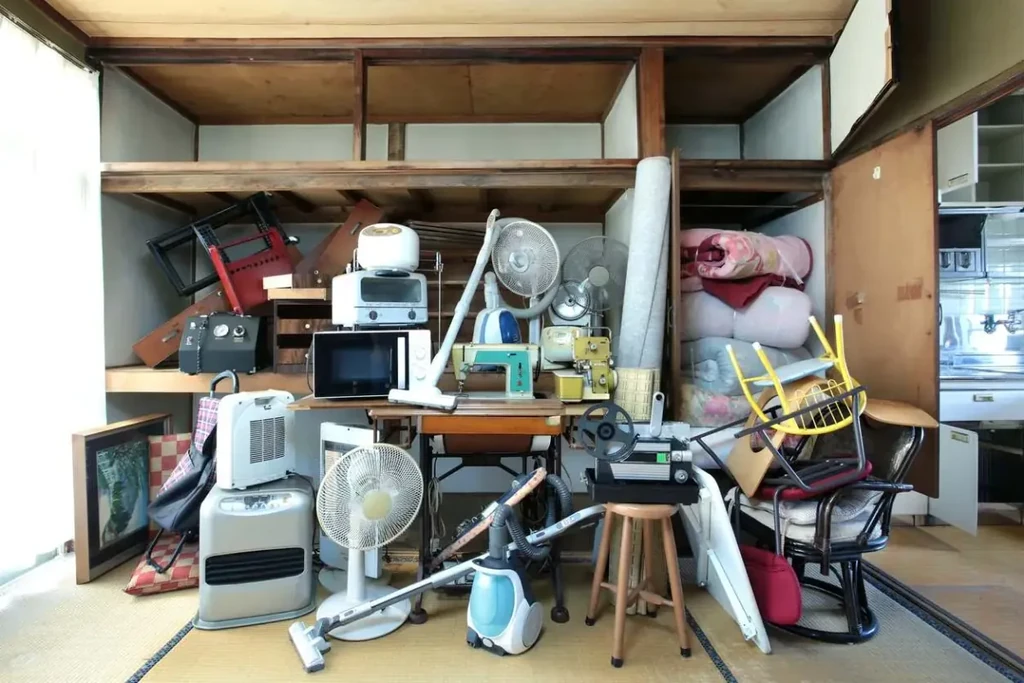
Renting a storage unit is one of the smartest ways to declutter your home, manage a move, or free up room during a renovation. But before you start loading boxes, it's worth knowing exactly what you can and cannot store.
Whether you're a first-time renter or a seasoned self storage user, understanding the guidelines upfront saves you from surprises down the road. Let mystorage break down what's welcome in a unit, what's off-limits, and how to choose the right type of unit for what you're storing.
What You Can Store in a Self Storage Unit
The list of what you can store is long. Most everyday household and personal items are perfectly acceptable, making self storage a flexible solution for a wide range of situations.
- Household furniture: Storing furniture in a storage unit is one of the most common uses. Sofas, bed frames, dressers, dining sets, and even a queen or king-size mattress set fit comfortably in a 10x10 or larger unit.
- Electronics: TVs, computers, and gaming consoles can be stored safely when properly packed. A climate-controlled unit is the best choice for electronics, since consistent temperatures help protect sensitive components from damage.
- Seasonal items: Holiday decorations, winter clothing, sports gear, and lawn furniture are perfect candidates for storage. With month-to-month leases, you can rotate items in and out as the seasons change.
- Vehicles: Cars, motorcycles, boats, and RVs can be stored in some drive-up access units or covered outdoor spaces. Check out RV and boat storage options to confirm size requirements before you reserve.
Not sure which unit size fits your needs? Our storage unit size guide makes it easy to match your belongings to the right space, from a compact 5x10 up to a 10x20 that can hold the contents of a two- to three-bedroom home.
What You Cannot Store in a Storage Unit
Some items are not allowed for good reason; many of them pose serious safety risks not just to your belongings but to the entire facility and everyone who stores there. Here's what's never allowed:
- Hazardous materials: Flammable liquids, gasoline, propane tanks, paint, pesticides, and chemicals are strictly prohibited. A hazardous materials storage unit simply isn't something any reputable facility offers, because the fire and safety risks are too significant.
- Perishable food: Even canned or dry goods are generally discouraged in standard units. Food attracts pests and can create health and sanitation problems that affect neighboring renters.
- Living things: People, animals, and plants are never permitted. It is illegal to live in a storage unit, and facilities actively enforce this rule for safety and liability reasons.
- Stolen goods and illegal substances: Prohibited items of this nature result in immediate lease termination and potential legal consequences.
- Wet or water-damaged items: Items that haven't fully dried can develop mold, which can spread and damage neighboring renters' belongings. Always ensure everything is completely dry before storing.
When in doubt, check your facility's terms before moving anything in. You can review the storage rental terms and conditions to understand exactly what's permitted at mystorage.
When to Choose a Climate-Controlled Storage Unit
A standard unit works well for most items, but some belongings need a more protective environment. Climate-controlled storage maintains a consistent temperature range, typically between 55° F and 85° F year-round, making it the right solution for anything sensitive to temperature fluctuations.
Here's what belongs in a temperature-stable unit:
- Wood furniture and musical instruments: Extreme temperature swings can cause warping, cracking, and joint separation over time.
- Artwork, vinyl records, and collectibles: These items can deteriorate quickly when stored in environments that heat up significantly in summer or drop sharply in winter.
- Electronics and important documents: Photographs, files, computers, and media are best kept in a temperature-stable environment to prevent long-term damage.
- Wine, candles, and certain medications: Temperature swings can compromise these goods, making climate-controlled storage the practical choice for long-term use.
If you're storing through Virginia's hot summers or cold winters, a climate-controlled unit offers real peace of mind. Learn more about climate-controlled storage options and whether they're the right fit for your items.
Start Storing Smarter With the Right Unit for Your Needs
Choosing the right storage unit comes down to knowing what you have and how long you plan to store it. A quick inventory before you rent goes a long way toward making the right call between a standard and a climate-controlled unit.
Self storage works best when you go in with a plan. Whether you're storing a single bedroom's worth of furniture or the contents of an entire home, the right unit is out there. Browse our mystorage self storage locations across Virginia to find a facility near you and get started today.