
Do I Need Insurance for a Storage Unit?
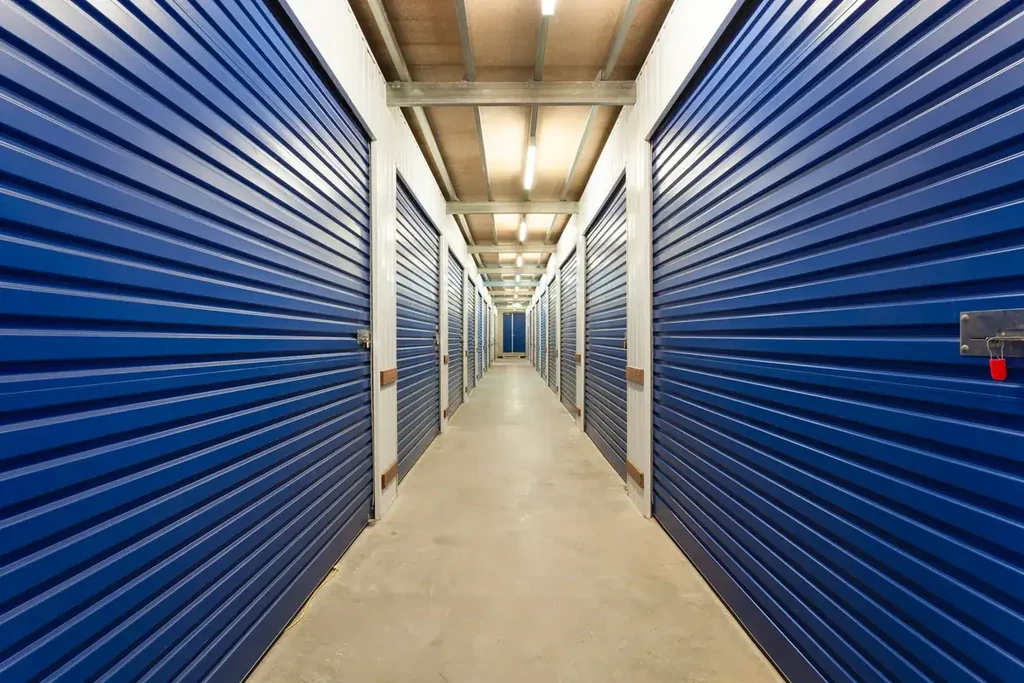
You've picked a unit size, packed your boxes, and you're ready to move things in. But before you snap the padlock shut, there is one final detail to check off your list. Storage protection acts as a financial safety net for your belongings while they sit out of sight, and understanding how these plans work will save you from unexpected headaches down the road.
What Is Storage Insurance?
Storage unit insurance is designed to cover your belongings against specific losses while they're kept off-site. Covered events typically include fire, theft, vandalism, and certain types of water damage from events like burst pipes. What it generally does not cover: flooding from natural events, pest damage, or items that weren't declared at the time of the policy. Reading the fine print before you assume coverage is essential.
Is Storage Insurance Required?
Yes, most facilities, including Mystorage, require proof of coverage or a protection plan before you move in.
To meet the lease requirement, you typically have two options:
- Enroll in a Facility Protection Plan: An easy, monthly add-on that covers your items without impacting your personal insurance policy. These plans generally cover a wider range of unexpected events that may affect your stored belongings and are designed specifically for self storage tenants.
- Provide Proof of Outside Insurance: Submit a Declarations Page from your existing homeowners or renters policy showing off-premises personal property coverage.
Does Your Existing Policy Already Cover It?
Many renters and homeowners insurance policies extend a percentage of your personal property coverage to belongings stored off-site. The typical figure is around 10 percent of your total personal property limit, though this varies by insurer and policy tier. Before purchasing a separate plan, call your insurance provider and ask two specific questions: does your policy cover off-site storage, and is there a sub-limit for items like electronics or furniture?
If you rent rather than own your home and don't carry renters insurance, you likely have no existing coverage for stored items.
How To Decide How Much Coverage You Need
Start with a rough inventory of what's going into the unit. Seasonal gear and basic furniture carry a different replacement cost than electronics, musical instruments, or artwork. If the total replacement value of your stored items exceeds what your existing policy covers off-site, a supplemental plan may fill that gap. For items that are particularly sensitive to temperature swings, climate-controlled storage can help reduce the risk of damage in the first place, which is a practical complement to any insurance decision.
A Few Things Worth Knowing Before You Rent
For a broader look at what goes into choosing the right unit, our first-time storage renters guide covers the full process from size selection to move-in day. And if you're still figuring out how much space you'll need, our unit size guide is a smart starting point before you commit to a plan.
Review your existing coverage, take stock of what you're storing, and ask the facility what they require before your move-in date. Mystorage has locations across Virginia where you can ask these questions directly. Browse self storage locations in Virginia to find a facility near you and get the details you need before you rent.